
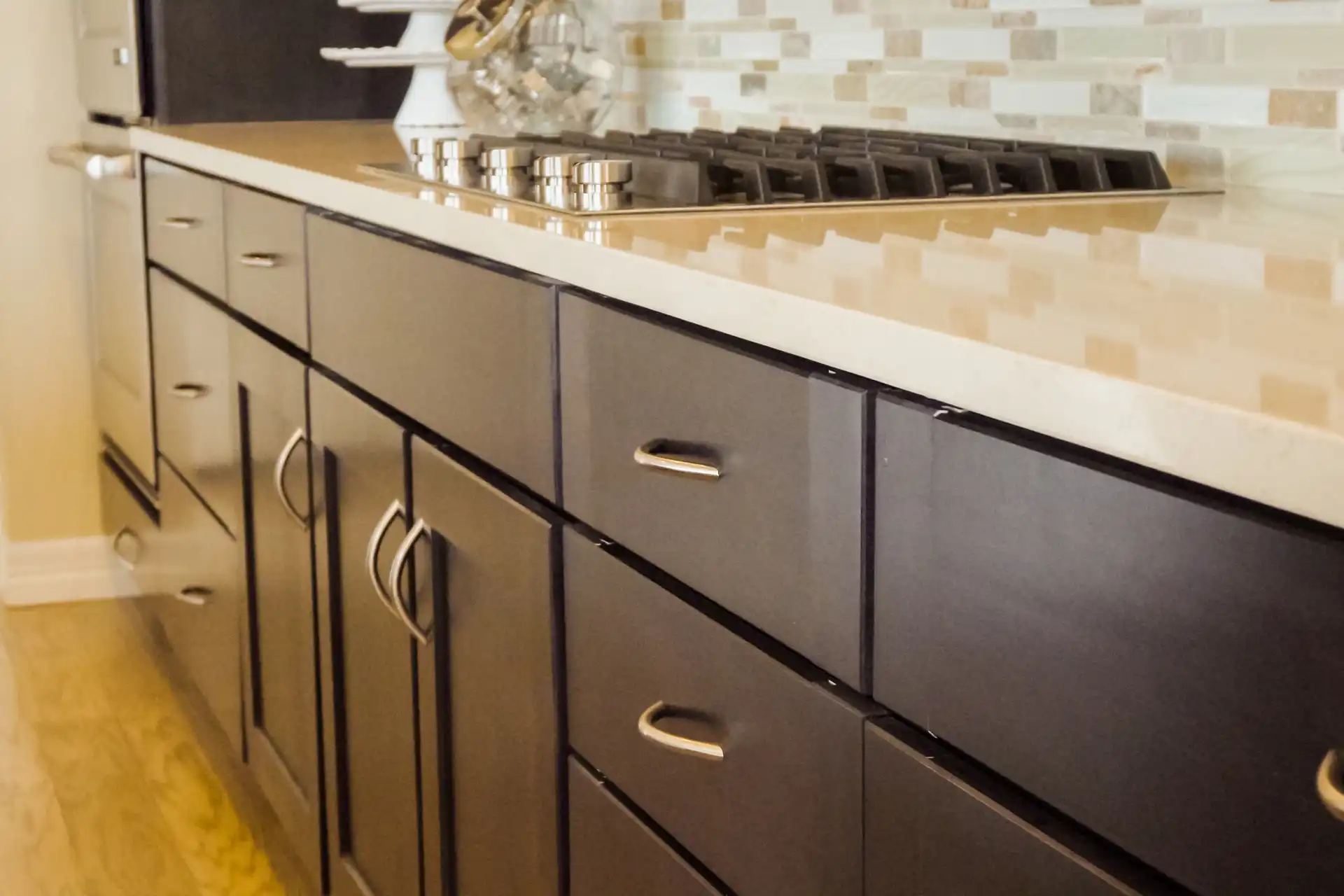

Cabinet refacing is an excellent way to refresh the appearance of your kitchen without replacing your existing cabinet boxes. For many Georgia homeowners, it’s an attractive middle ground between refinishing cabinets and investing in a complete kitchen remodel. Before beginning your project, however, it’s helpful to understand what influences the cost of cabinet refacing.
While every home is unique, several factors affect the overall scope of a project. This cabinet refacing pricing guide explains the most common considerations so you can make informed decisions and better prepare for your renovation.
The Size and Layout of Your Kitchen
One of the biggest factors affecting cabinet refacing is the size of your kitchen. Larger kitchens naturally include more cabinet doors, drawer fronts, end panels, and trim pieces that require new materials and installation.
The layout also plays a role. Kitchens with islands, beverage stations, built-in storage, or unique cabinet configurations often require additional planning and labor compared to more straightforward layouts.
The Condition of Your Existing Cabinets
Cabinet refacing works best when the cabinet boxes are structurally sound. Before new doors and veneers can be installed, the existing cabinets should be in good condition.
If cabinets have experienced water damage, structural deterioration, or poor previous repairs, additional work may be necessary before refacing can begin. Evaluating the condition of your cabinetry is one of the most important cabinet refacing estimate factors to discuss during your consultation.
Door Style and Material Selection
The style you choose can also influence your project.
Homeowners can select from a wide variety of:
- Shaker doors
- Raised-panel designs
- Slab-style doors
- Wood species
- Painted finishes
- Stained finishes
Some materials and door profiles require more detailed manufacturing or finishing processes than others. Selecting a style that balances your aesthetic goals with your budget is an important part of the design process.
Hardware and Accessories
Many homeowners take the opportunity to upgrade cabinet hardware during a refacing project.
Popular additions include:
- Soft-close hinges
- Soft-close drawer slides
- Decorative knobs and pulls
- Pull-out shelving
- Trash and recycling systems
- Spice organizers
While these upgrades aren’t required, they can significantly improve the functionality of your kitchen while contributing to the overall project scope.
Decorative Enhancements
Cabinet refacing often includes more than replacing doors and drawer fronts.
Many Georgia homeowners also choose features such as:
- Crown molding
- Light rail molding
- Decorative end panels
- Under-cabinet trim
- Glass cabinet inserts
- Open shelving accents
These finishing details create a more custom appearance and help transform the overall look of the kitchen.
Additional Kitchen Updates
Cabinet refacing is frequently completed alongside other kitchen improvements.
Depending on your goals, you may decide to include:
- New countertops
- Updated backsplash tile
- Fresh lighting
- Sink and faucet replacements
- Interior cabinet accessories